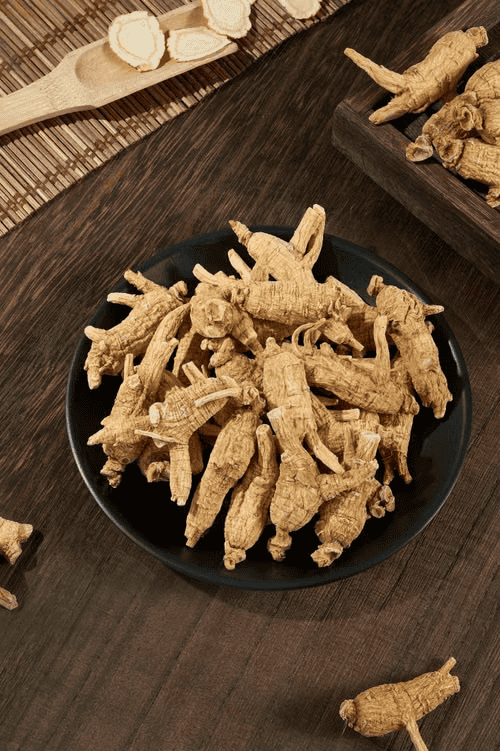
Ginseng shows up in energy drinks, supplements, teas, and a long list of products promising sharper focus, more stamina, and better immunity — often with little explanation of what’s actually behind those claims. As with most popular herbal supplements, there’s a real kernel of evidence here, surrounded by a lot of exaggeration.
What ginseng actually is — and why “ginseng” isn’t one thing
There are several distinct plants commonly sold as “ginseng,” most notably Panax ginseng (Asian/Korean ginseng) and Panax quinquefolius (American ginseng), along with an unrelated plant called Siberian ginseng that isn’t a true ginseng species at all despite the name. This matters because most of the research on ginseng’s effects comes specifically from Panax species, and studies aren’t necessarily interchangeable across types — a product labeled simply “ginseng” without specifying which kind makes it hard to know what’s actually inside, or whether it matches what was studied.
Where the evidence is genuinely reasonable
NCCIH reports that studies of Asian ginseng in people have had conflicting results, including for fatigue, and that most research shows it does not improve athletic performance. It may lower blood sugar, interfere with blood clotting, and worsen autoimmune disorders, so people with diabetes, on blood thinners, or with autoimmune conditions should check with a doctor first.
Where the claims get overstated
Marketing around ginseng often extends into territory the research doesn’t support: claims about curing erectile dysfunction, dramatically boosting immune function, preventing cancer, or acting as a general cure-all for low energy regardless of its cause. Some small studies have explored these areas, but the evidence is generally preliminary, inconsistent, or based on animal/lab studies that haven’t been confirmed in robust human trials. “Some early research exists” is a very different claim from “proven to work,” and a lot of ginseng marketing blurs that line.
The dosing and quality problem
Herbal supplements, including ginseng, aren’t regulated with the same rigor as pharmaceuticals in most countries. This means the actual concentration of active compounds (called ginsenosides) can vary significantly between brands, and sometimes even between batches of the same product. A dose shown to have an effect in a controlled study might bear little resemblance to what’s actually in a given bottle on a shelf. This is a common, underdiscussed issue across herbal supplements generally, not unique to ginseng, but it’s particularly relevant here given how widely ginseng content varies by product.
Who should be cautious
Ginseng can interact with blood thinners, diabetes medications, and certain antidepressants, and it’s generally advised against during pregnancy due to insufficient safety data. People with hormone-sensitive conditions should also be cautious, since some research suggests mild estrogenic activity, though this area needs more research to be conclusive. As with most supplements, checking with a doctor before starting is particularly important if you’re on other medications.
What this means practically
- For mild fatigue or cognitive support, the evidence for Panax ginseng specifically is reasonable, though effects tend to be modest, not dramatic
- Check which species is actually in the product — “ginseng” alone on a label isn’t enough information to know what you’re getting
- Be skeptical of broad claims around immunity, cancer prevention, or sexual health — these areas have far less robust evidence than the fatigue/cognitive research
- Product quality varies significantly, so a reputable, third-party-tested brand matters more with ginseng than with many other supplements
The honest takeaway
Ginseng isn’t a scam, and the fatigue and cognitive research is genuinely more solid than for a lot of trendy supplements. But it’s also not the all-purpose energy and immunity cure-all it’s often marketed as. The realistic picture: a supplement with modest, specific evidence for fatigue and mild cognitive support, surrounded by a lot of broader claims that haven’t been proven to the same standard — a smaller, more honest story than the marketing suggests, but still a genuinely interesting one.
-National Center for Complementary and Integrative Health. Asian Ginseng. https://www.nccih.nih.gov/health/asian-ginseng